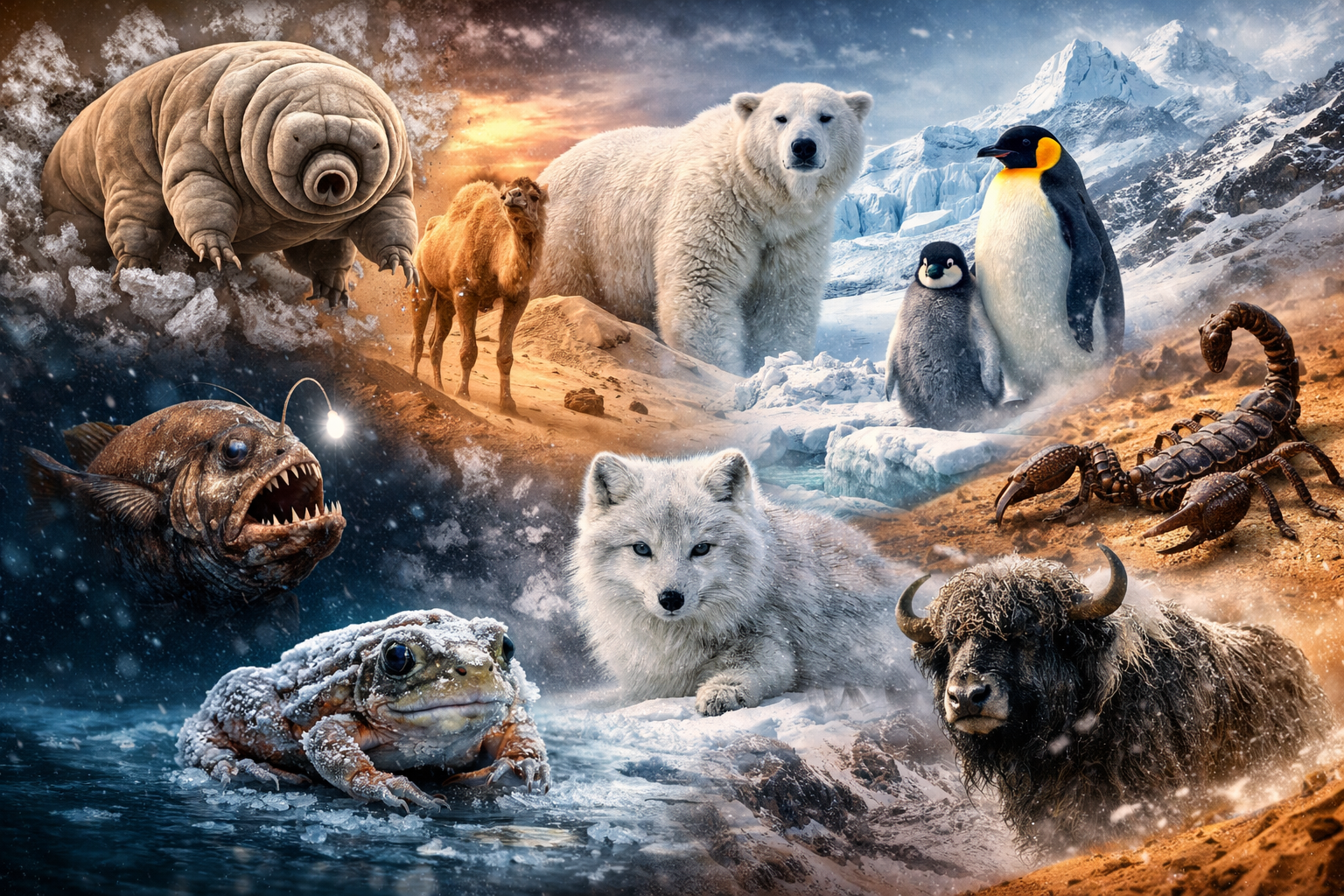
Earth is full of extreme environments—burning deserts, frozen tundras, deep oceans, and high mountains where survival seems impossible. Yet, some animals have evolved extraordinary abilities that allow them to live where most life forms cannot. These animals are true survivors, perfectly adapted to extreme heat, cold, pressure, dryness, and lack of oxygen.
Here are 10 animals that can survive in extreme conditions, proving how powerful and intelligent nature truly is.
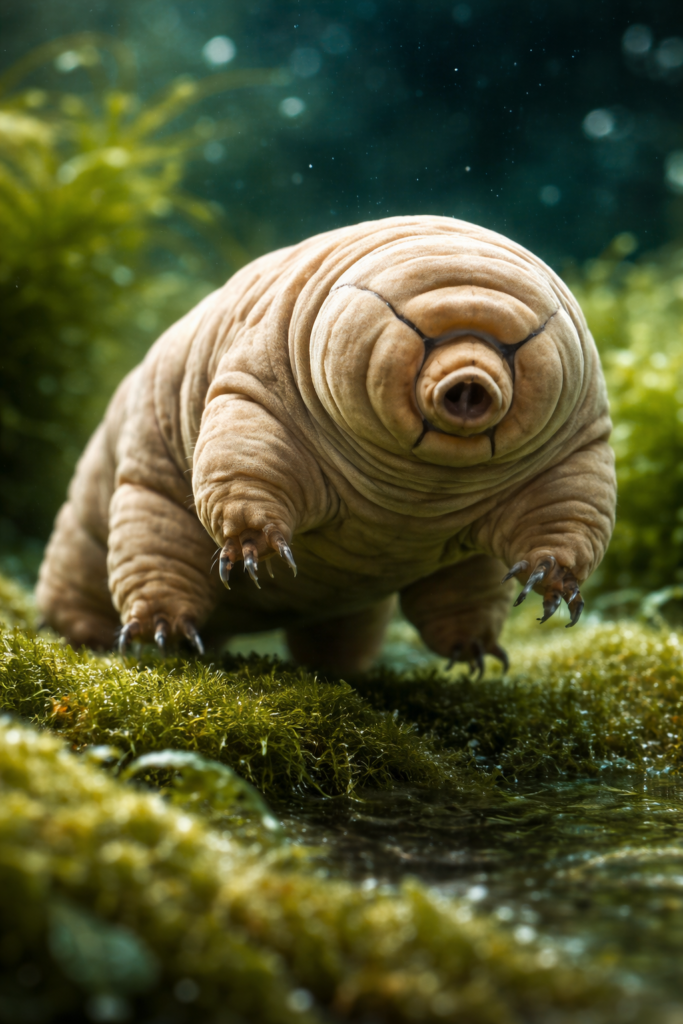
1. Tardigrade (Water Bear)
The tardigrade is often called the toughest animal on Earth.
This microscopic creature can survive extreme heat, freezing temperatures, intense radiation, high pressure, and even the vacuum of space. Tardigrades can shut down their bodies completely and remain dormant for years, coming back to life when conditions improve.
2. Camel
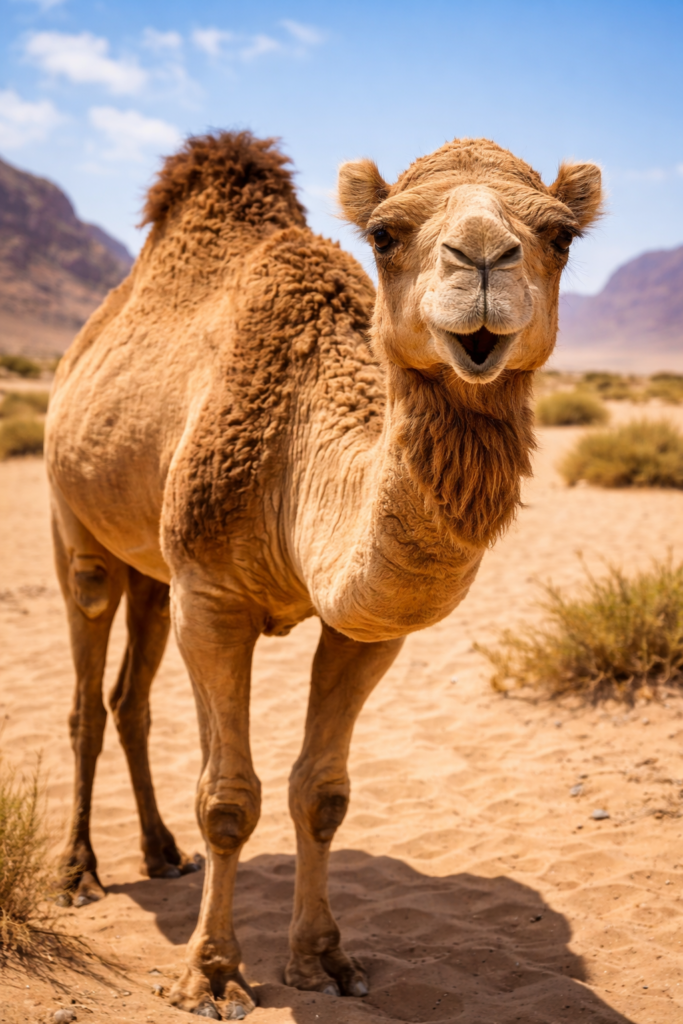
Camels are masters of desert survival.
They can survive weeks without water, endure extreme heat, and travel long distances across deserts. Their humps store fat (not water), which provides energy when food is scarce. Special nostrils and thick eyelashes protect them from sandstorms.
3. Polar Bear
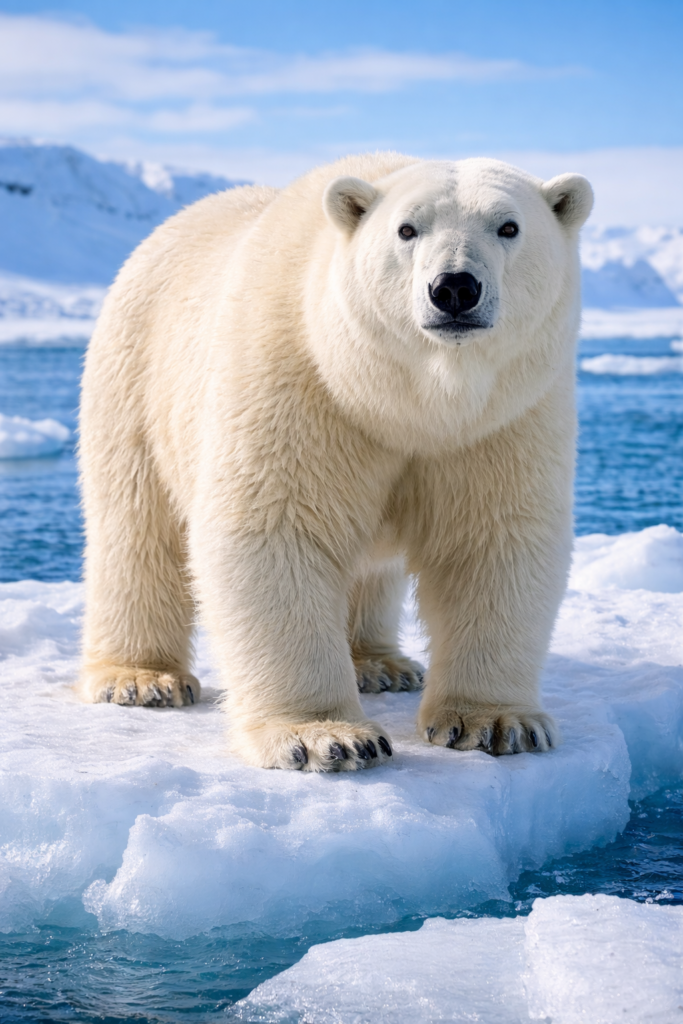
Polar bears thrive in one of the coldest environments on Earth—the Arctic.
Their thick fur, layer of fat, and black skin help retain heat. Polar bears can swim long distances in icy waters and survive freezing temperatures that would kill most animals within minutes.
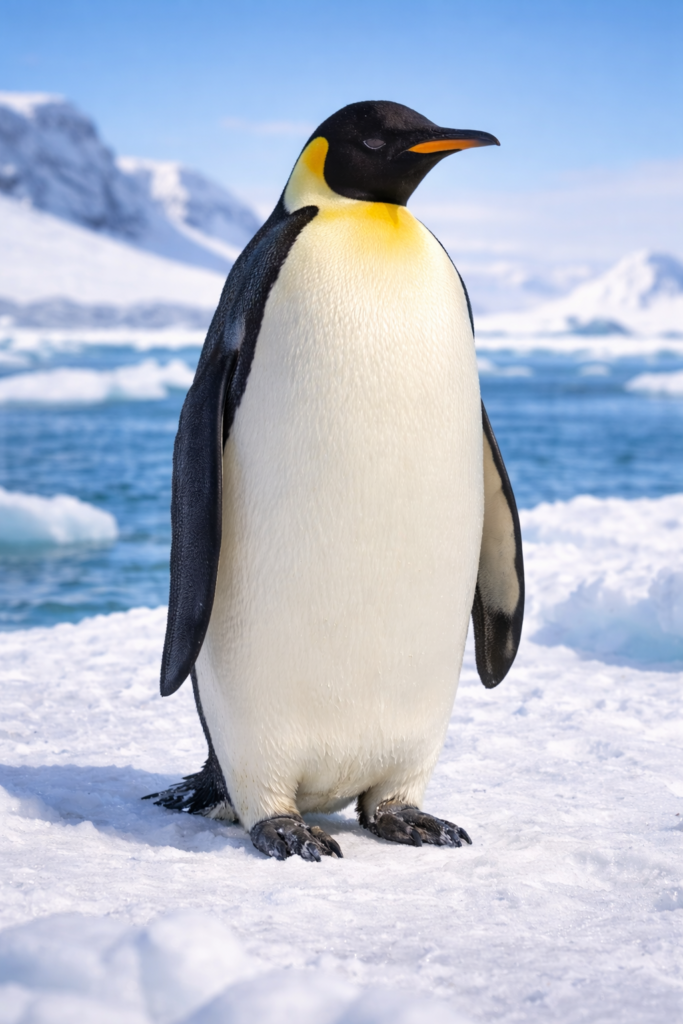
4. Emperor Penguin
The emperor penguin survives in Antarctica, the coldest place on Earth.
They endure temperatures as low as −60°C and wind speeds over 200 km/h. Emperor penguins huddle together to stay warm and can dive deep into icy oceans for food, holding their breath for more than 20 minutes.
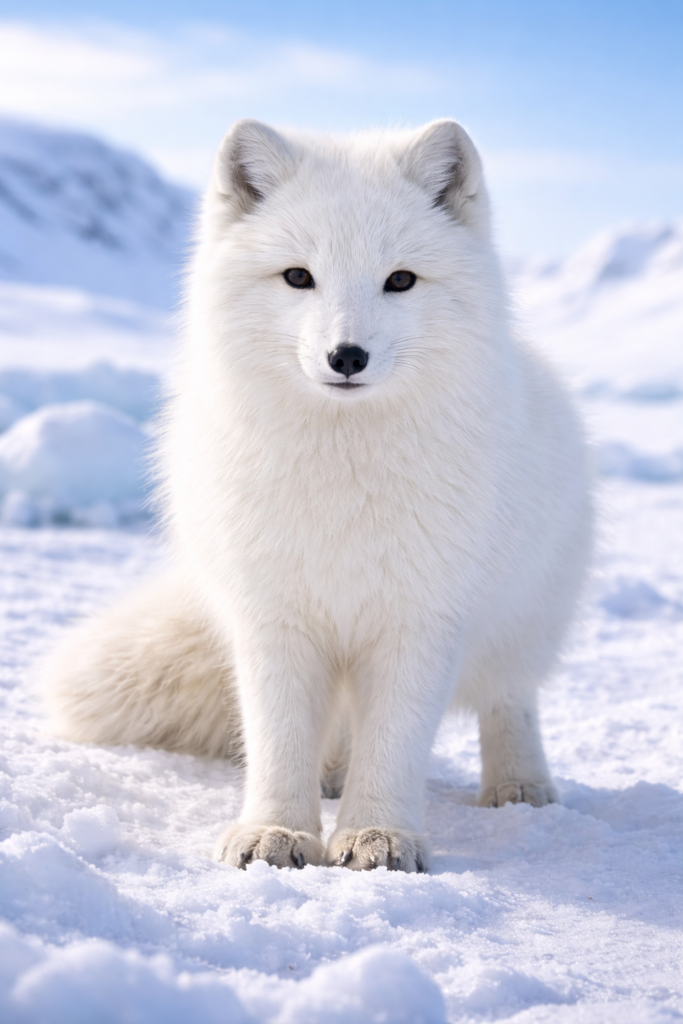
5. Arctic Fox
The Arctic fox is built for freezing tundra life.
Its fur changes color from white in winter to brown in summer, providing camouflage and insulation. Arctic foxes can survive temperatures as low as −50°C, thanks to their compact bodies and thick fur.
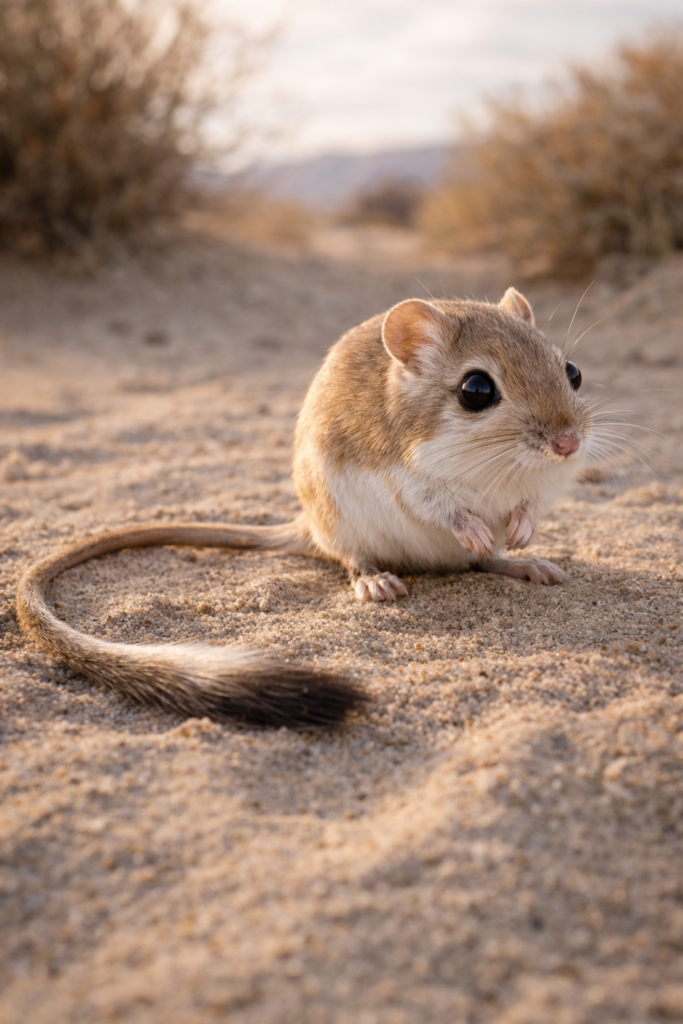
6. Kangaroo Rat
The kangaroo rat lives in some of the driest deserts in the world.
It can survive without drinking water at all. Kangaroo rats get all the moisture they need from seeds and produce extremely concentrated urine to avoid water loss. They are perfectly adapted to dry, hot environments.
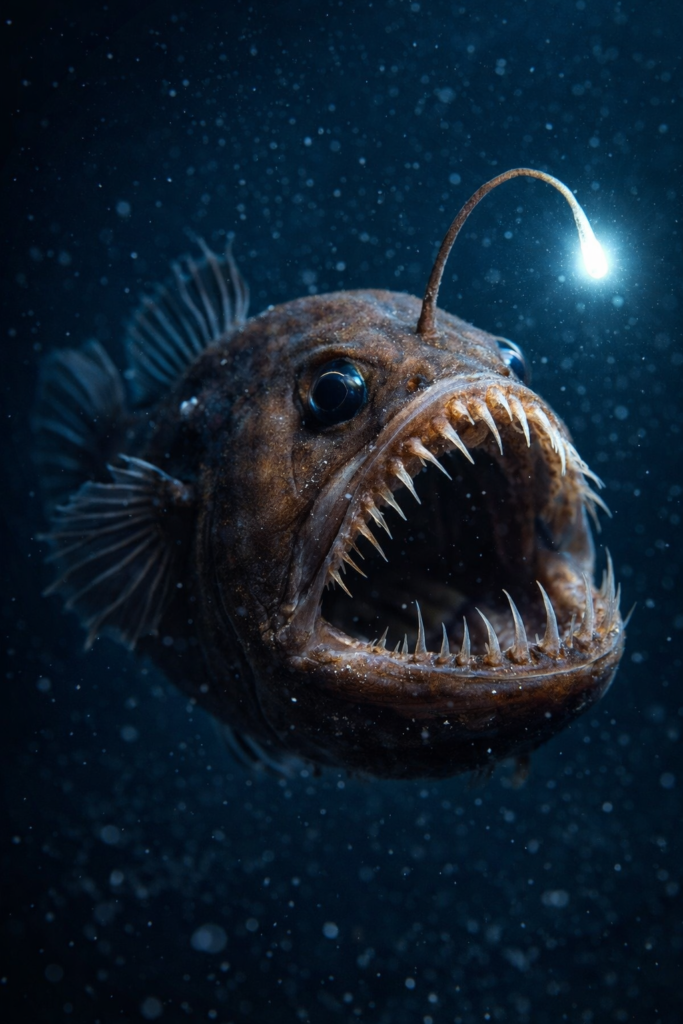
7. Deep-Sea Anglerfish
The deep sea is one of the most extreme environments on Earth—total darkness, crushing pressure, and freezing temperatures.
The anglerfish survives thousands of meters below the ocean surface. It uses a glowing lure to attract prey and can live where sunlight never reaches.
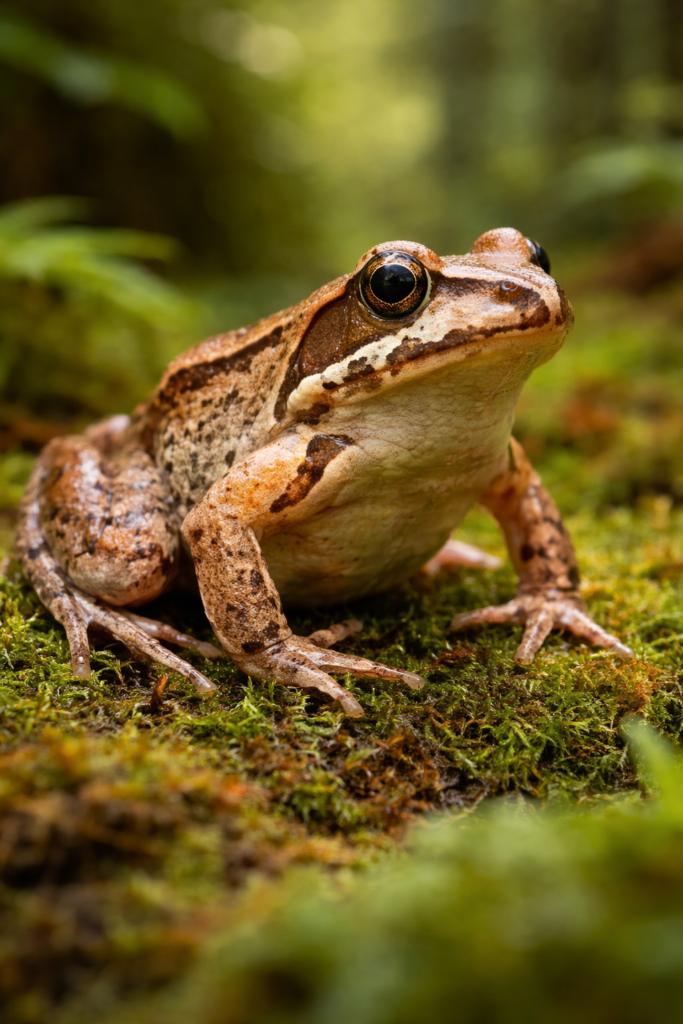
8. Wood Frog
The wood frog has an unbelievable survival skill—it can freeze solid.
During winter, up to 70% of its body water freezes. Its heart stops, and it stops breathing. When temperatures rise, the frog thaws and returns to normal life. This makes it one of nature’s most impressive survivors.
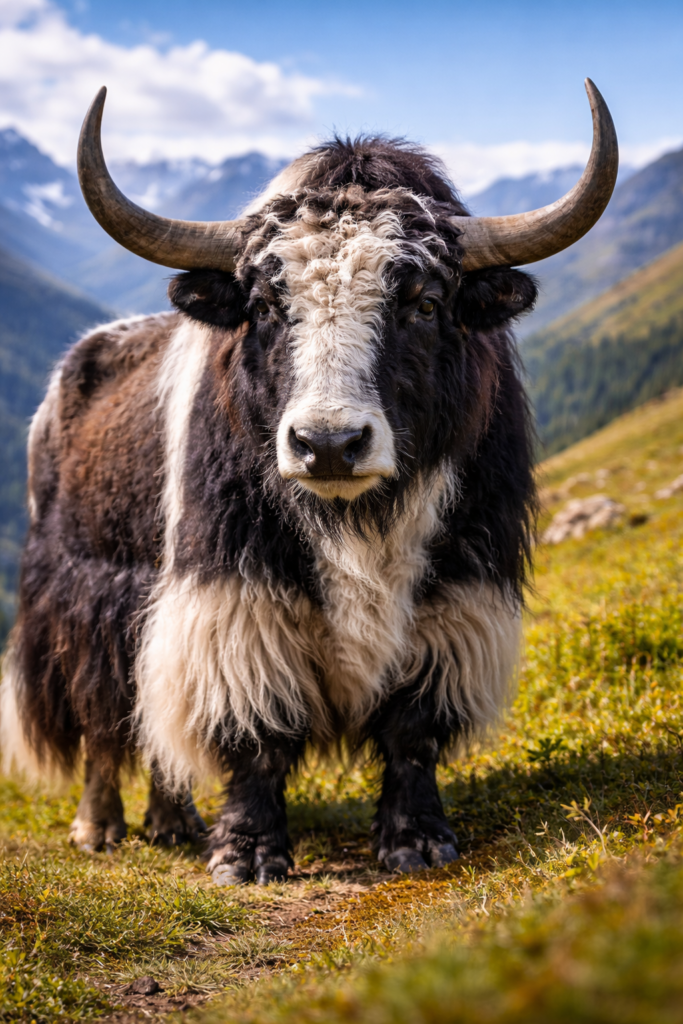
9. Yak
Yaks live in the high-altitude regions of the Himalayas, where oxygen levels are very low.
They have large lungs, strong hearts, and thick fur to survive cold temperatures and thin air. Yaks can live comfortably at heights where humans struggle to breathe.
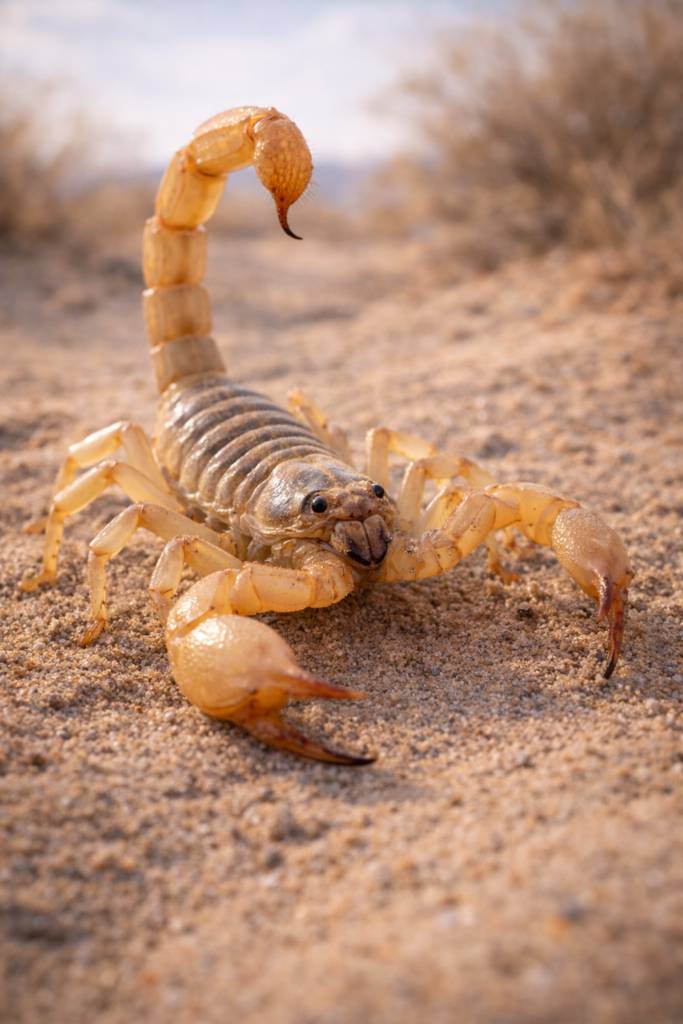
10. Desert Scorpion
Desert scorpions can survive extreme heat, dryness, and lack of food.
They can slow their metabolism to survive months without eating. Some species can tolerate temperatures above 50°C and survive in harsh desert environments where few animals exist
Why These Animals Can Survive Extreme Conditions
These animals survive extreme environments due to:
- Specialized body structures
- Unique metabolism
- Behavioral adaptations
- Ability to conserve energy and water
Evolution has shaped them into perfect survivors.
Final Thoughts
Extreme environments may seem unlivable, but nature always finds a way. These ten animals prove that life can adapt to almost any condition on Earth—from frozen poles to burning deserts and the darkest depths of the ocean.
Studying these animals helps scientists understand survival, climate change, and even the possibility of life beyond Earth.